STARTING
It spreads by ear
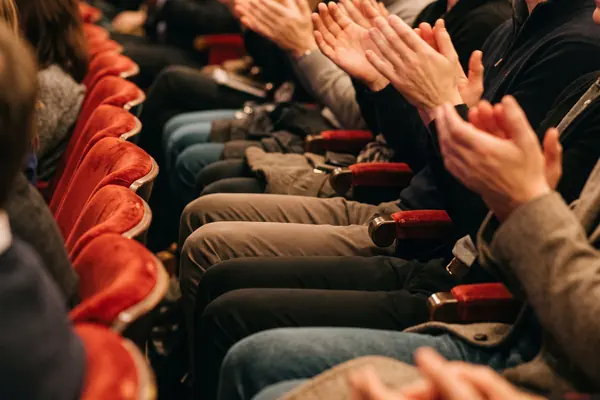
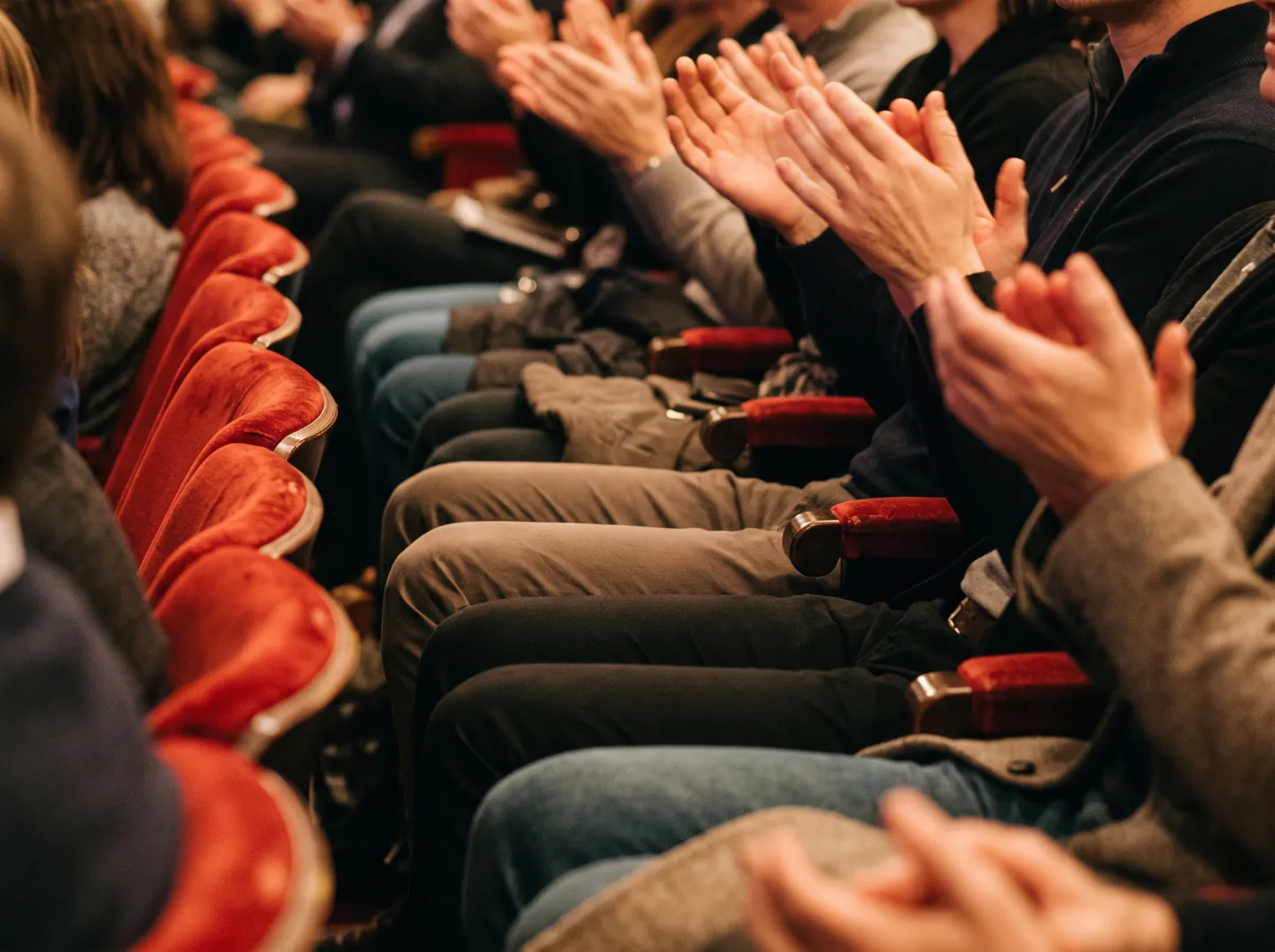
In an Uppsala University study, the chance of someone starting to clap rose with how many were already clapping, wherever they sat. People seemed to respond to the sound, not their neighbours.
Follow a round doodlecheers
WHAT THE RESEARCH FOUND
Applause is a crowd deciding something together, with no one in charge.
Follow a round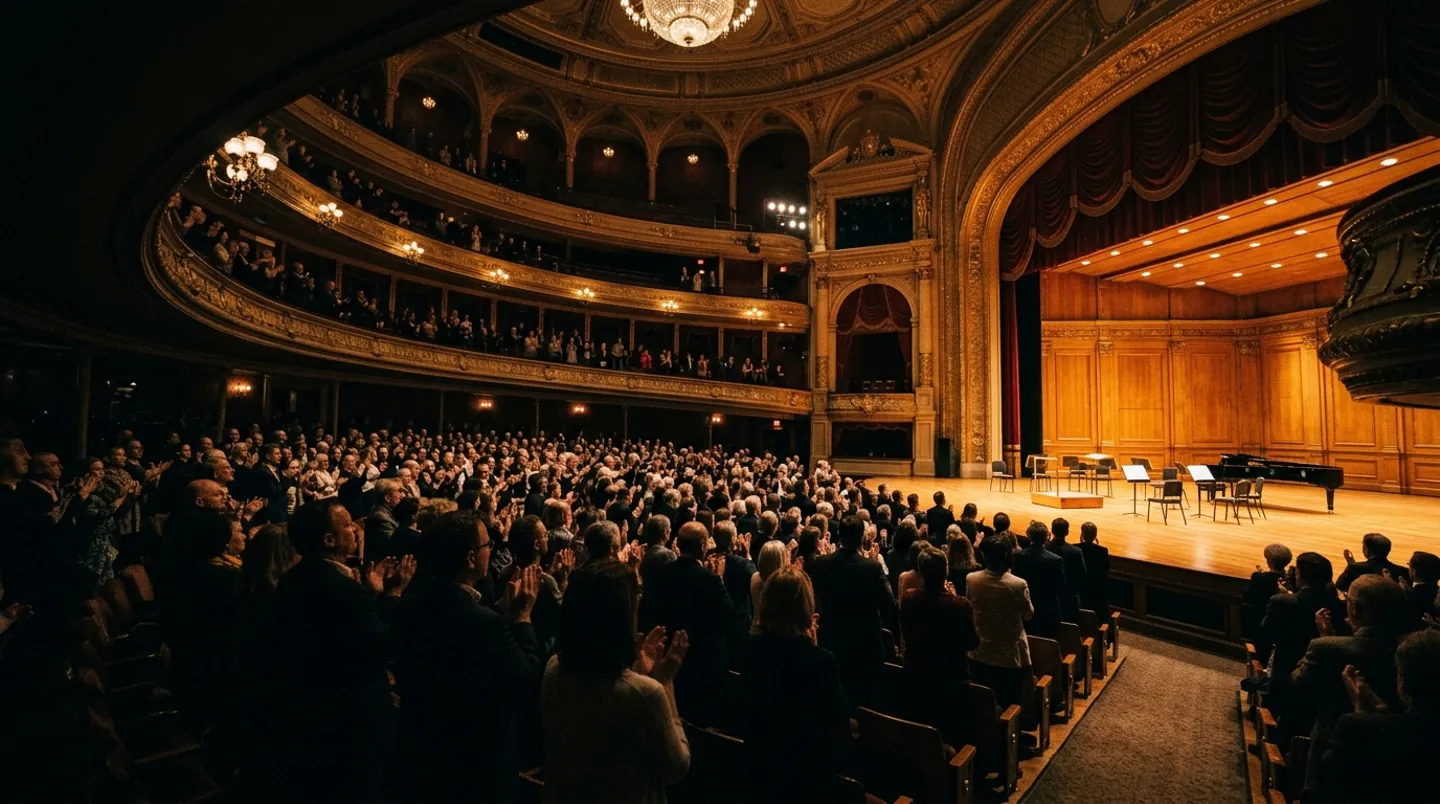
BRAVOhow a crowd claps as one
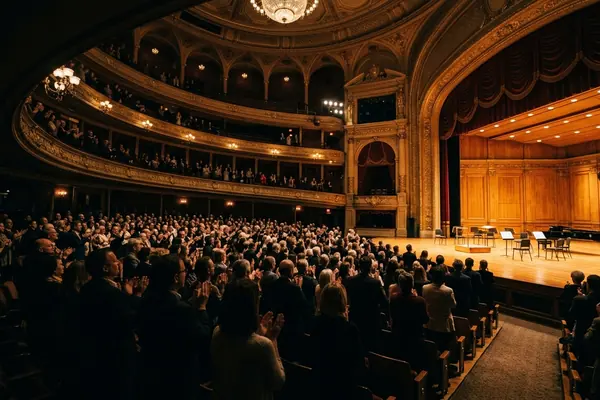
Researchers who filmed audiences found that clapping spreads like a contagion, picked up by ear. Physicists who recorded concert halls found how thousands of hands fall into step.
Updated
THE SHORT ANSWER
Nobody conducts the clapping at the end of a show.
A few simple rules between people do the job.
STARTING
In an Uppsala University study, the chance of someone starting to clap rose with how many were already clapping, wherever they sat. People seemed to respond to the sound, not their neighbours.
Follow a roundRHYTHM
Concert-hall recordings showed that when applause turns rhythmic, people roughly double their clapping period. Slower clapping varies less, so the crowd can lock together.
See the numbersNATURE
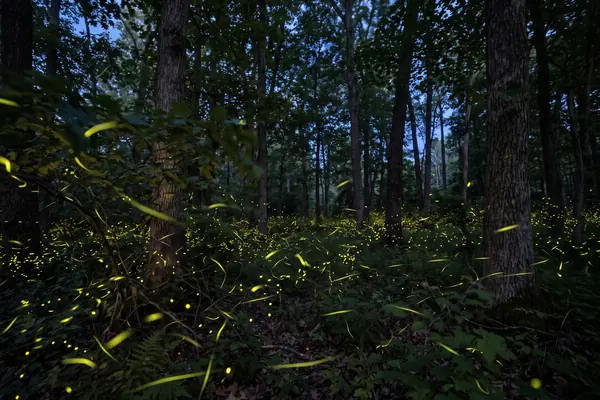
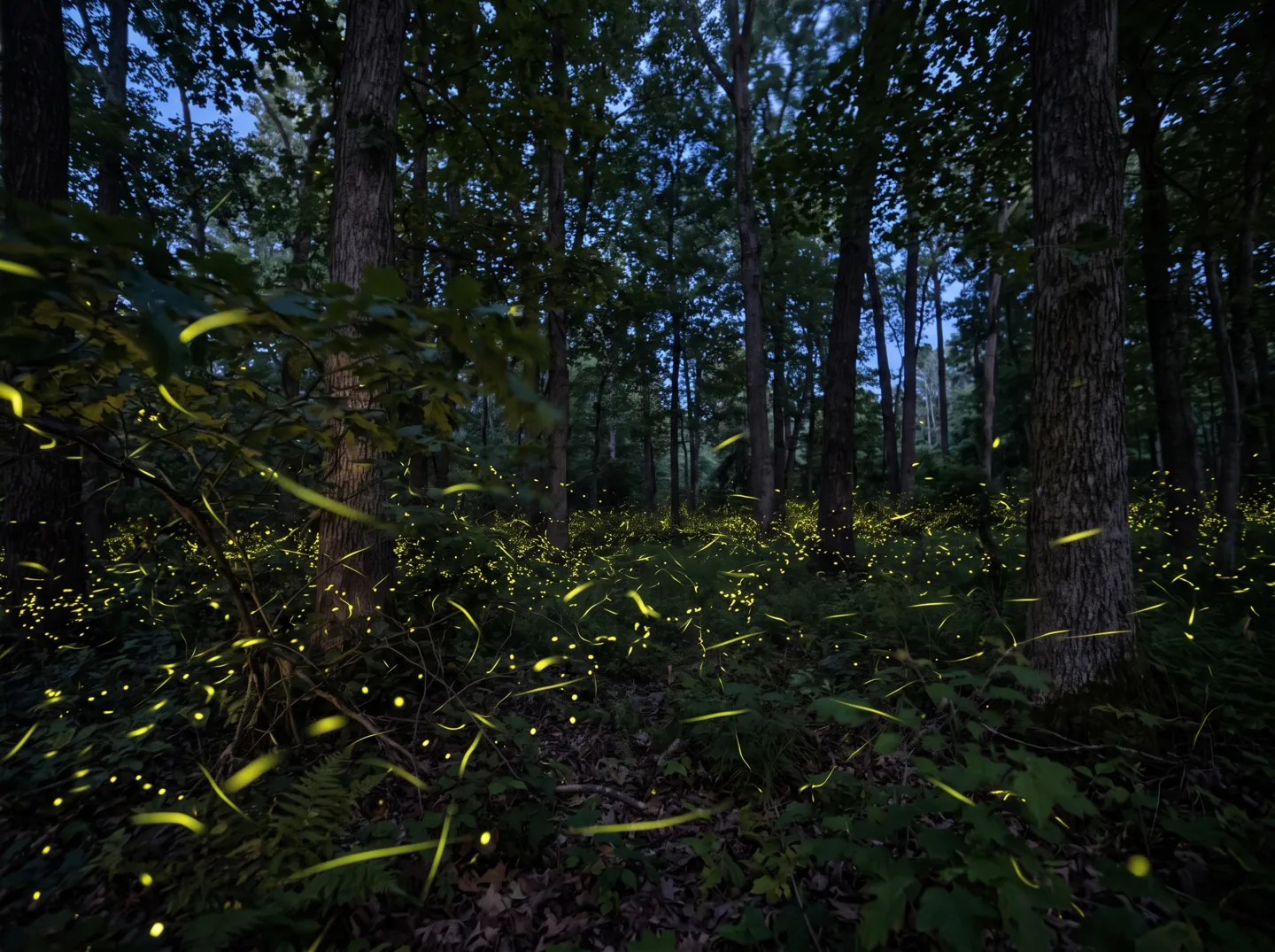
The physicists placed rhythmic applause alongside other natural synchrony. In the Great Smoky Mountains, male fireflies of one species flash in unison.
Fireflies in stepFOLLOW A ROUND OF APPLAUSE
Pick a moment in a round of applause. The bar shows how strongly the research found people were following the rest of the audience at that point.
Based on Mann and colleagues, The dynamics of audience applause (Journal of the Royal Society Interface, 2013), and Néda and colleagues, Physics of the rhythmic applause (Physical Review E, 2000).
TWO NUMBERS WORTH KNOWING
One number from filmed student audiences,
one from concert-hall recordings.
6.1 s
Mean applause after a short talk
Six groups totalling 107 students each heard two presentations. Applause lasted 6.1 seconds on average, from the first person starting to the last person stopping.
LENGTH · ROYAL SOCIETY INTERFACE
≈ 2× slower
Clapping period during rhythmic applause
Recordings after theatre and opera performances in Romania and Hungary showed people roughly doubling their clapping period when the applause synchronised.
RHYTHM · PHYSICAL REVIEW E
The applause model predicts that how long an audience claps can vary a lot even when the performances are equally good, so a long ovation is not always a sign of a better show.
NEXT TIME YOU'RE IN A CROWD
You can hear these findings for yourself at the end of a concert, a play or a talk.
See how long the silence lasts before one person starts, and how fast the rest join in.
The study suggests you respond to how loud the room is, not to the person beside you.
If the applause turns rhythmic, notice that the claps are slower than at the start.
The study found the end comes once someone decides alone they have clapped for long enough.
SYNCHRONY IN NATURE
The physicists who studied rhythmic applause called it a human-scale example of synchronisation found across nature, from fireflies flashing together to crickets chirping in time and pendulum clocks on a shared wall.
In Great Smoky Mountains National Park, males of one firefly species, Photinus carolinus, flash five to eight times and then pause in darkness for eight seconds. The flashing can look random at first, but as more males join in, their rhythms align.
Questions
Research filming student audiences found that each person's chance of starting rose with the number already clapping. Applause spread through the group like a contagion, apparently picked up by the sound.
Not necessarily. The researchers' model predicts that applause length can vary considerably even when the presentations are of the same quality, because stopping depends on individual decisions.
Concert-hall recordings showed people roughly doubling their clapping period. Slower clapping is more uniform across the crowd, which lets everyone fall into step.
Enthusiastic spectators speed up to increase the noise. Faster clapping varies more between people, so the synchrony is lost, and the crowd may then find the rhythm again.
In the filmed experiments after short academic talks, applause lasted 6.1 seconds on average. Longer events and larger audiences were not part of that study.
ABOUT THIS NAME
doodlecheers.com is part of the DoodleSale portfolio. It isn't in an auction right now, but you can ask about leasing it.